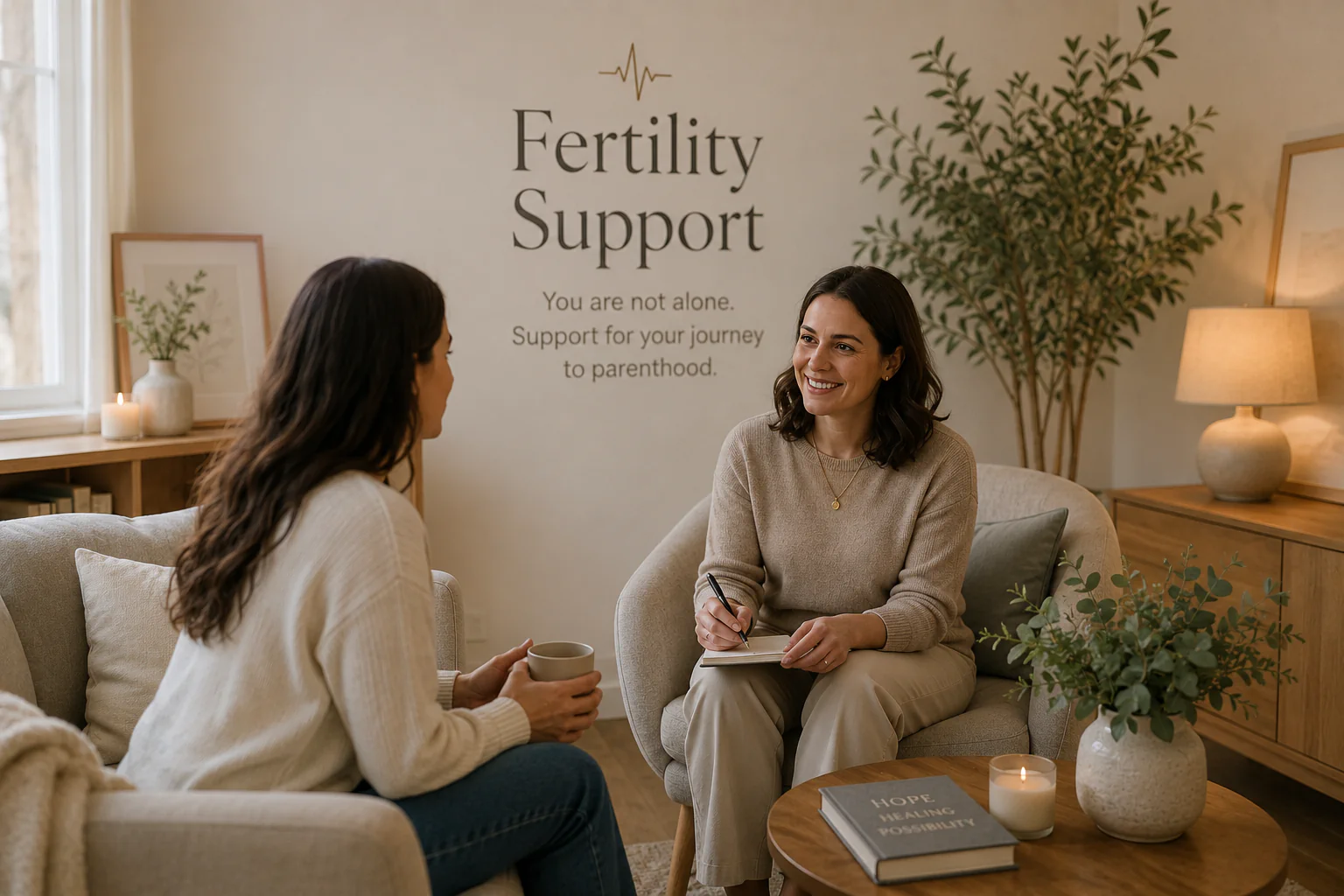
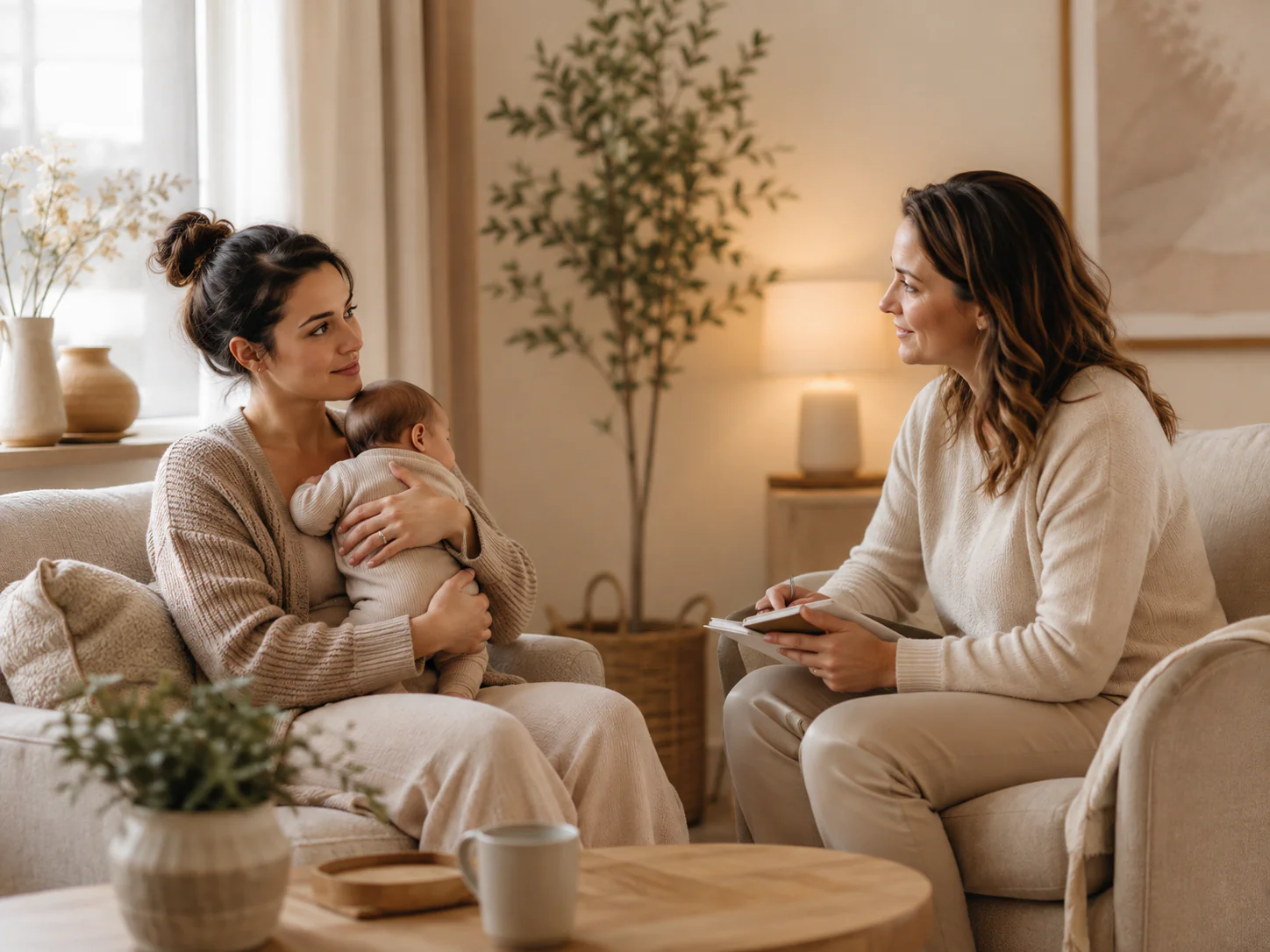
Learn, connect, and feel less alone in what you’re navigating.
Workshops and groups at Harmony & Pulse create supportive spaces for women to learn, reflect, connect, and explore shared experiences around mental health, reproductive transitions, relationships, and emotional wellbeing.
These offerings combine practical education with meaningful conversation, helping you build greater understanding while connecting with others who may be navigating similar experiences.
Support can feel different when you experience it together.
There are times when individual therapy is the right space for support, and there are times when learning alongside others can offer something different.
Workshops and groups create opportunities to explore common experiences in a structured, supportive environment. Depending on the offering, sessions may include education, guided reflection, practical strategies, facilitated discussion, and opportunities to connect with other participants.
You are never required to share more than feels comfortable. The goal is to create a space where learning, connection, and emotional safety can exist together.
Understanding the pattern can change the conversation.
WHO THIS MAY BE FOR
Workshops and groups may be a good fit if...
You Want Practical Education
You want clear, accessible information about emotional wellbeing, stress, relationships, reproductive transitions, or nervous-system regulation.
You Want to Feel Less Isolated
Connecting with others who have similar experiences may help reduce the sense that you are navigating everything on your own.
You Prefer Structured Support
You may appreciate a focused topic, guided activities, and a clear structure rather than beginning with open-ended individual therapy.
You Want New Coping Tools
You want practical strategies that can support communication, emotional regulation, boundaries, stress management, or everyday coping.
You Are Navigating a Shared Life Stage
Fertility, pregnancy, postpartum, perimenopause, menopause, caregiving, or relationship transitions may feel easier to understand when explored in community.
You Want Support Without Feeling Pressured to Share
You want the option to participate, listen, learn, and reflect without being expected to disclose more than feels comfortable.
OUR APPROACH
Education, reflection, and connection — at your own pace.
Harmony & Pulse workshops and groups are designed to be supportive, practical, and emotionally grounded.
Depending on the topic, sessions may include psychoeducation, guided reflection, discussion, nervous-system regulation strategies, communication tools, and opportunities to explore how a shared experience is affecting your emotional wellbeing.
Some offerings may be educational workshops, while others may involve a more interactive group format. Each program will clearly explain what to expect before you register.
Workshops and groups are not a substitute for emergency, medical, or individualized mental health care. When a participant needs more personalized support, individual psychotherapy or appropriate medical and allied-health services may be recommended.
WHAT THERAPY CAN SUPPORT
What workshops and groups can help you build.
Greater Understanding
Develop clearer language for what you are experiencing and a better understanding of the emotional patterns involved.
Practical Strategies
Learn concrete tools that can be practiced outside the session and adapted to everyday situations.
Shared Perspective
Hear different perspectives and recognize that there can be many valid ways to experience the same transition or challenge.
A Sense of Connection
Experience a supportive environment where difficult or often-unspoken experiences can feel less isolating.
More Confidence Navigating Change
Build greater confidence in understanding your needs, communicating them, and responding to change more intentionally.
Continued Support & Resources
Leave with ideas, resources, or practices that can continue supporting your wellbeing after the session or program ends.
RELATED JOURNEYS
Relationship support through major reproductive and life transitions.
Relationships can be affected by the transitions happening around them. Explore support for the life stage or reproductive experience that may be shaping what you and your partner are navigating together.
You don’t have to learn or navigate everything on your own.
Explore upcoming workshops and groups designed to offer practical education, meaningful reflection, and supportive connection through the experiences women move through.
Workshops are generally more education-focused and may include information, guided reflection, and practical strategies around a specific topic.
Group formats may involve more ongoing discussion and interaction between participants. The format and purpose of each offering will be explained clearly before registration.
No. Participation can look different for different people, and you will not be expected to share more than feels comfortable.
Some activities may invite reflection or discussion, but emotional safety and personal choice are important parts of the group environment.
Topics may include women’s mental health, anxiety, nervous-system regulation, relationships, fertility, pregnancy, postpartum adjustment, perimenopause, menopause, boundaries, stress, and emotional wellbeing.
No. Workshops and groups can provide education, connection, and practical support, but they may not meet the needs of someone who requires individualized psychotherapy.
If more personalized support would be helpful, individual therapy can be considered separately.
Offerings may be available virtually, in person, or in a hybrid format depending on the program. Registration details will explain the format and location for each event.